Biotrade

Creatively Promoting the conservation of biodiversity

Biotrade by Definition

The collection, production, transformation, and commercialisation of biodiversity-based goods and services that meet specific sustainability criteria.

Biotrade in Context

Biotrade has sustainability – environmentally, socially, and economically – at its core. Biotrade protects forests because many of the plants concerned only thrive in intact ecosystems. It creates jobs because gathering or growing the plants is labor-intensive. Finally because fair prices are an integral part of the concept, it improves earnings across the board, from harvesters and farmers to workers and salaried employees in the processing, distributing, and selling of these natural products.

Ethical Biotrade Principles

Regional Biotrade Project

Biotrade Myanmar is embedded in a regional project. This project covers three countries of the Indo-Burma biodiversity hotspot, one of the most biologically diverse regions in the world with over 11,000 species of plants.

In Myanmar, ISM is providing technical assistance and capacity building to selected companies and suppliers that are involved in the production and export of natural ingredients such as Shan tea, jujube, tamarind, thanakha and other indigenous plants. ISM is also facilitating linkages between buyers and sellers of Biotrade products, supporting the formation of sector associations that are working with natural ingredients, and advocating for a policy-friendly environment to foster Biotrade and biodiversity.

2022 Success Stories

Hesperethusa crenulata roem

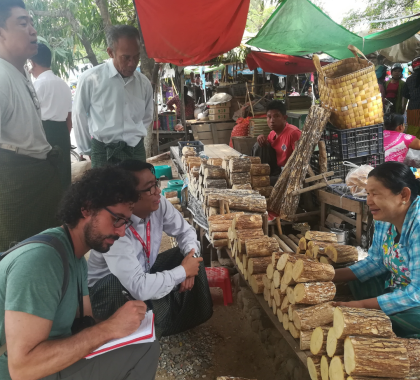
SEAΔ fellowship, an artist trio from Malaysia, Taiwan, and Vietnam took it upon themselves to bring awareness to the Myanmar way of life. Out of a wide range of Biotrade products in Myanmar (such as Shan tea, ginger, spices, jujube), they chose to explore people’s personal stories that centre around the use of the biotrade heritage crop that is သနပ်ခါး thanakha. This biotrade treasure grows in middle-Burma with some of the best of it coming from Yesagyo. Thanakha refers to the tree whose branches are harvested and then used with water on a smooth grinding stone. The paste that is produced is also thanakha. From a cultural point of view, thanakha is quintessentially Myanmar as it is used by all the ethnic groups countrywide. Thanakha is worn not just to restore and improve the facial skin but it is also applied on the arms and neck for protection against the sun, as well as on the entire body of children for a cooling effect after a shower.


Ziziphus mauritiana

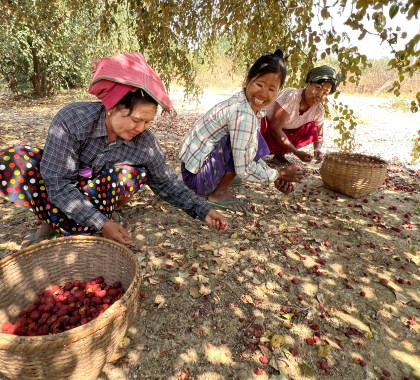
Salay Shae Saung is a small-medium enterprise that has increased its revenue from $51,200 in 2018 to $625,000 in 2019, and has created safe and secure jobs for 56 staff, 51 of whom are women. This family-owned business west of the Ayeyarwaddy River in the central dry zone produces jujube syrup, jujube fruit jam and jujube toffee from locally sourced jujube fruits. ISM is committed to continue supporting Salay Shae Saung and other Biotrade companies in Myanmar to grow their businesses while contributing to biodiversity conservation and social and economic equality.